Exploring the Wonders of Oman
Introduction to Oman: A Land of Contrasts
Oman, located on the southeastern coast of the Arabian Peninsula, is a nation known for its geographical diversity and cultural richness. This unique country offers a striking juxtaposition of landscapes and traditions, making it a remarkable destination for travelers and explorers alike. The geographical features of Oman are varied and captivating, ranging from majestic mountain ranges to expansive deserts and stunning coastlines.
The Al Hajar Mountains, which dominate the northern part of the country, are home to some of the highest peaks in the region, providing breathtaking views and opportunities for hiking and adventure. In contrast, the Wahiba Sands, with their rolling dunes, showcase the tranquil beauty of the desert. The experience of traversing the arid landscape offers a profound sense of solitude, highlighting the serene side of Oman that differs greatly from its urban centers.
Moreover, Oman’s coastline along the Arabian Sea is dotted with pristine beaches, rugged cliffs, and historic ports, underscoring yet another layer of the country’s allure. Coastal cities like Muscat, the capital, are vibrant with modernity, featuring bustling markets, opulent palaces, and rich traditions alongside contemporary architecture. This interplay between modern urbanity and traditional lifestyle illustrates the dynamic character of Oman.
The cultural richness of Oman is equally worth exploring, as it has been influenced by centuries of trade and interaction with various civilizations. The Omani people embrace their heritage while celebrating modern development, resulting in a unique cultural tapestry. Festivals, local cuisine, and traditional crafts are integral to the Omani identity, offering visitors a deeper understanding of this enchanting land.
In capturing the essence of Oman, it becomes clear that this land of contrasts creates a vibrant narrative of history, natural beauty, and cultural diversity that appeals to all who visit.
Cultural Heritage and Traditions in Oman
Oman boasts a rich cultural heritage that has been shaped by its strategic location along ancient trade routes and the Arabian Sea. This influence is evident in the country’s architecture, customs, and social practices. The history of Oman is marked by maritime activities, which have fostered connections with various cultures and civilizations. These interactions have led to a diverse tapestry of traditions that continue to thrive today.
One of the most notable aspects of Omani culture is its traditional arts and crafts. The country is renowned for its intricate silver works, pottery, and woven textiles. These crafts are often passed down through generations, preserving age-old techniques and styles that reflect the community’s identity. Furthermore, Omani society places great importance on music and dance, with genres such as the traditional razha and the energetic bar’v playing a vital role in celebratory occasions and festivals.
Festivals in Oman, such as Id al-Fitr and Id al-Adha, hold immense significance in reinforcing community bonds and cultural identity. During these events, it is common for families to come together, exchanging gifts and sharing meals. These gatherings exemplify the deep-rooted value of hospitality in Omani culture, which often extends beyond family to embrace friends and even strangers. Omani hospitality is characterized by warmth, generosity, and respect, making it a cornerstone of daily life.
The role of Omani culture in everyday life extends to language, food, and traditional dress. The Arabic language serves as a unifying thread, while the cuisine typically features spices and ingredients that reflect the region’s trading history. Moreover, traditional attire, such as the dishdasha for men and the vibrant abaya for women, showcases cultural pride and community values. Through these various elements, Oman’s cultural heritage remains vibrant, deeply interwoven into the lives of its people and their daily practices.
Natural Wonders and Tourist Attractions
Oman is renowned for its stunning natural beauty and rich cultural heritage, attracting numerous tourists each year. The capital city, Muscat, serves as a gateway to a diverse array of attractions, blending ancient traditions with modern charm. Historical forts, vibrant souks, and picturesque beaches define the landscape of this extraordinary region.
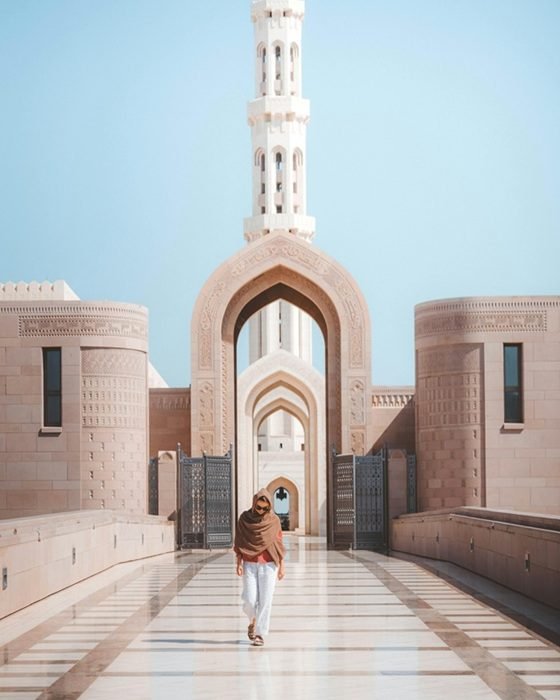
One of the most iconic sites in Oman is the Sultan Qaboos Grand Mosque, which showcases remarkable Islamic architecture and intricate artistry. Visitors to Muscat can also explore the Royal Opera House, a testament to the country’s commitment to arts and culture. Beyond the urban pleasures, the surrounding areas provide breathtaking natural landscapes, inviting tourists to experience the great outdoors.
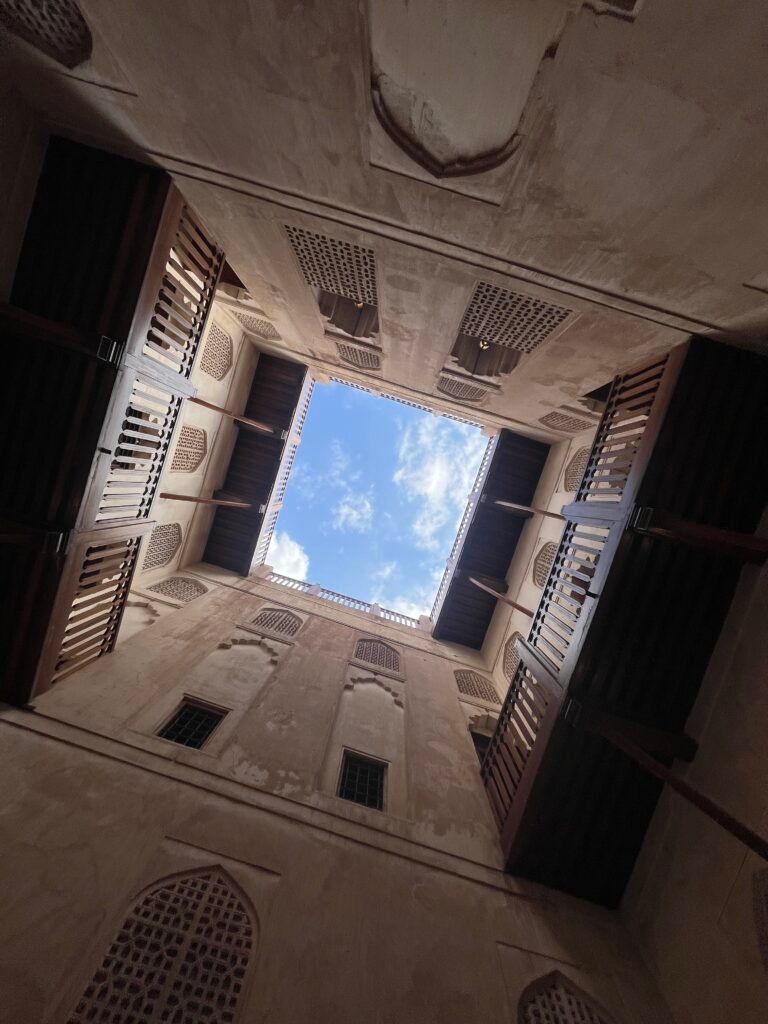
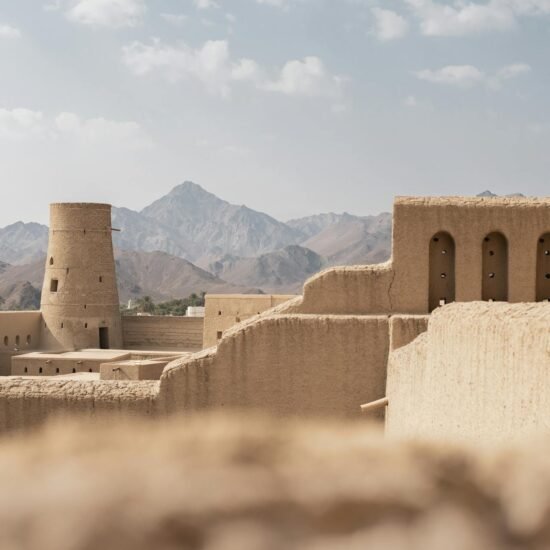
The historical city of Nizwa is another must-visit destination, famous for its formidable fort and bustling market. Nizwa Fort, built in the 17th century, offers insights into Oman’s history and strategic importance, making it an ideal spot for history enthusiasts. Just beyond Nizwa, the stunning Hajar Mountains provide ample opportunities for hiking and exploration, showcasing dramatic scenery and diverse flora and fauna.
For those seeking an adventure, the Wahiba Sands presents a mesmerizing expanse of rolling sand dunes. Activities such as dune bashing, camel riding, and stargazing allow visitors to immerse themselves in the desert landscape. Additionally, Oman’s coastline is perfect for diving and snorkeling, with coral reefs and abundant marine life waiting to be discovered.
In conclusion, the natural wonders and tourist attractions in Oman offer something for every type of traveler. Whether exploring historic sites in Muscat and Nizwa or engaging in outdoor adventures in the desert and mountains, Oman showcases its beauty and cultural richness in multifaceted ways, making it a top destination for exploration.
Cuisine: A Taste of Oman
Oman’s cuisine is a vivid reflection of its rich history and diverse cultural influences, blending flavors from the Indian subcontinent, Persia, and East Africa. The unique characteristics of Omani food stem from the country’s geographical location and its historical role as a trading hub. Traditional Omani dishes often showcase an array of spices, such as cumin, coriander, saffron, and cardamom, which not only enhance flavor but also signify the culture’s deep-rooted connection to culinary arts.
One of the most iconic dishes is Shuwa, which involves marinating lamb in a mixture of spices and slow-cooking it wrapped in palm fronds underground for several hours. This time-intensive cooking method exemplifies the commitment to flavor and tradition present in Omani cuisine. Other notable dishes include Majboos, a spiced rice dish typically served with chicken or lamb, and Mashuai, a dish made with grilled fish and rice, often garnished with lemon and spices.
Spices play a pivotal role in Omani cuisine, infusing dishes with warmth and allure. These flavorful elements not only elevate the taste of food but also symbolize hospitality and generosity, key attributes of Omani culture. Food serves as a focal point during social gatherings and celebrations, reinforcing bonds among families and communities. The act of sharing meals fosters a sense of unity and reflects the Omani way of life.
For those eager to explore Omani cuisine, sampling dishes at local restaurants and markets is highly recommended. The Muttrah Souq in Muscat offers an array of traditional culinary delights. Additionally, attempting to prepare Omani dishes at home can be a fulfilling experience, bringing the essence of Oman’s culinary heritage into one’s kitchen. In essence, Omani cuisine is not just about consumption; it is an exploration of the nation’s cultural identity through its flavors and traditions.